Ninja training for kids is one of those activities that is easier to show than to describe — but at its core it is obstacle-based movement training that combines climbing, jumping, swinging, balancing and crawling in a format that feels much more like play than exercise. Whether it is a fun day out at a kids obstacle course event or a weekly class at a local martial arts school, the appeal is the same: children get to move their bodies in varied, challenging, genuinely enjoyable ways, and they tend to come home tired, happy and asking when they can go back.
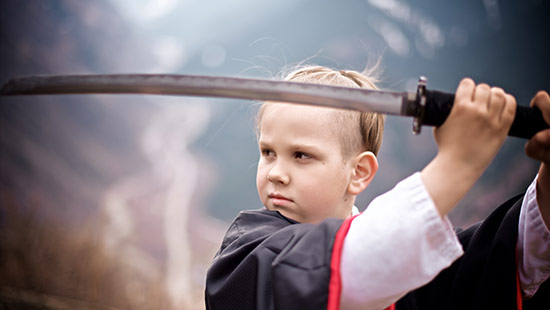
What Ninja Training Actually Involves
In its simplest form, ninja training is structured obstacle and movement work — courses of climbing walls, monkey bars, balance beams, rope swings, vaulting boxes, crawl tunnels and jumping challenges that develop physical skills in a context children find genuinely motivating. The name comes from the popular television format, but the activity itself draws from gymnastics, parkour, martial arts movement training and classic playground challenge in roughly equal measure.
It shows up in a few different forms in Ireland. At one end of the spectrum there are one-off kids obstacle course events — fun days at a venue or as part of a larger event, where children tackle a course in a festival atmosphere with no pressure and no scoring. These are a brilliant introduction to the concept and a great day out for children of almost any age and fitness level. At the other end there are dedicated weekly ninja training classes at specialist facilities, where children develop specific skills over time through progressive coaching.
In between, a large number of martial arts schools and sports clubs across Ireland incorporate ninja-style training into their children's programmes without necessarily calling it ninja training. Agility courses, movement challenges, obstacle sequences and structured physical games that develop the same skills under a different name are widely available. If your local martial arts club runs a children's programme, it is worth asking what the sessions actually involve — the format may be closer to ninja training than the description suggests.
A typical class session might open with a movement warm-up — bear crawls, crab walks, jumping and landing games — that develops fundamental movement patterns while getting the group energised. The main session works through obstacles and skill challenges, with the instructor coaching technique and allowing children to work at their own pace within the group. Younger classes keep things simple and playful. Older groups begin to work on specific techniques — how to grip and swing on bars, how to vault correctly, how to land safely — that build real physical capability over time.
The Physical Benefits
The movement demands of ninja training develop a broad range of physical qualities that are genuinely useful — not just for sport, but for everyday life and long-term health.
Upper body strength and grip. Climbing, hanging, swinging and traversing bars all develop the pulling strength and grip endurance that most children's activities do not address directly. These are foundational physical qualities that support good posture, reduce injury risk in other sports and provide a basis for almost any athletic pursuit a child might take up later.
Core strength and body control. Getting across obstacles without falling requires the body to work as a coordinated unit — tensioning through the core, managing weight shifts, controlling momentum. Children develop this naturally through the challenge of the obstacles themselves, without it ever being presented as a fitness exercise.
Coordination and spatial awareness. Vaulting, jumping, landing and moving through three-dimensional space develops the proprioceptive awareness — the body's sense of where it is and what it is doing — that underpins skilled movement in any context. Children who train regularly tend to become noticeably more agile and coordinated over time.
Balance and stability. Balance beams, unstable surfaces and single-leg challenges develop the postural stability that supports everything from sport performance to injury prevention. These skills are particularly valuable for younger children whose balance systems are still developing.
The Confidence and Character Benefits
The physical benefits are the visible ones, but many parents find that the changes they notice most are less tangible. Ninja training has a strong track record for building confidence and resilience in children, and the mechanism is fairly straightforward — children repeatedly attempt things that are difficult, work through the frustration of not immediately succeeding, and eventually complete challenges they could not do before. That cycle, experienced in a supportive and encouraging environment, builds something real.
The format suits this particularly well because the challenge is always personal. The child is working on their own obstacle, at their own level, making their own progress. The comparison is with their own previous attempt, not with the child beside them. When they complete something hard — get across the monkey bars for the first time, clear a wall they have been working on for weeks — the achievement is unambiguously theirs.
Martial arts training in general has a long and well-established track record in building confidence, discipline and focus in children, and ninja training carries this tradition even in its more informal formats. Children who train regularly in any martial arts environment — whether that is karate, judo, or ninja-style movement classes — consistently develop greater self-assurance, better ability to manage frustration, and improved focus that parents and teachers notice in other areas of life. Children who are naturally shy or who lack confidence in physical settings often respond particularly well to the individual format that ninja training provides.
The social dimension matters too. A good ninja training class has a genuinely encouraging culture — children cheer each other on, help each other with technique, and share in each other's progress in a way that builds the kind of positive group experience that sticks. This is not unique to ninja training, but it is a consistent feature of well-run classes and one worth looking for when choosing a programme.
Age Ranges and What to Expect
Ninja training works across a wide age range, and the experience changes significantly depending on the age group.
Children aged four to six are typically working on fundamental movement skills — balance, coordination, basic climbing and jumping — in a format that is almost indistinguishable from structured play. Sessions are short, varied and high in positive reinforcement. The goal at this stage is to build a confident, enjoyable relationship with physical movement rather than to develop specific techniques.
From seven to nine, children can begin working on more complex obstacle sequences and developing specific skills — monkey bar technique, rope climbing, basic vaulting, jumping and landing mechanics. This is often the age at which the personal challenge element becomes most motivating and where children begin to set their own informal goals within the session.
Older children from ten upwards can work on more demanding courses, develop real upper body strength through consistent training, and begin to set meaningful performance goals. This age group also bridges naturally into obstacle course racing events in Ireland, where the skills developed in training have a competitive outlet for children who want one. Many families approach OCR events as a shared activity, and most Irish events offer junior and family categories.
Finding a Class or Event in Ireland
The easiest starting point is to check what your local martial arts schools offer for children. Many clubs that teach karate, judo, ju-jitsu or general martial arts will have a children's programme that incorporates ninja-style movement work, even if it is not advertised specifically as ninja training. A phone call to ask what the sessions involve will quickly tell you whether the format fits what you are looking for.
Dedicated ninja training facilities exist in several urban centres and are worth searching for in your area. These typically offer age-grouped classes across the week, trial sessions for new participants, and a clear progression structure that keeps children engaged over months and years.
For a low-commitment introduction, a kids obstacle course event is an excellent first step. Ireland's OCR calendar includes family and junior formats at several events through the year. Hell and Back at Killruddery in Wicklow runs junior and teen options alongside its adult event, and the 2026 FISO OCR World Championships in Limerick includes youth categories that give older children the chance to experience world-level obstacle sport in their own country.
When evaluating any class or programme, the things that matter most are the quality and experience of the instructors, the class size relative to the number of instructors, the age-appropriateness of the equipment and challenges, and the general culture of the session. A trial class before committing to a term is standard practice in good programmes and gives both the child and the parent the information they need to make the right decision.
Frequently Asked Questions
Most ninja training programmes accept children from age four or five, with classes structured by age group. Younger children focus on basic movement skills, balance and coordination through play. From around age seven or eight, obstacle sequences become more complex and children begin working on specific skills like climbing, swinging and vaulting. Older children from ten upwards can tackle more challenging courses and develop real strength and technique through consistent training.
Not exactly, though they overlap. A kids obstacle course event is typically a one-off fun day out — a chance to experience obstacles in a festival or event setting. Ninja training as a weekly class develops the same skills progressively over time, building real movement ability, strength and confidence through regular practice. Both are worthwhile and many children enjoy both.
Many martial arts schools in Ireland incorporate ninja-style obstacle and movement training into their children's classes, even if they do not use the ninja training name specifically. Classes that combine movement challenges, agility work and structured physical games in a fun format are offering essentially the same experience. It is worth asking your local club what their children's programme involves.
Yes. The format of ninja training — individual challenge, clear incremental goals, immediate physical feedback — is well-suited to building confidence in children who are uncertain about their abilities. Completing something hard that they could not do before, in a supportive environment, produces the kind of self-belief that transfers to other areas of life. Martial arts training in general has a strong track record in this area.
Look for qualified instructors with experience working with children, small class sizes that allow individual attention, age-appropriate equipment and progressions, and a culture that celebrates effort and improvement. Visit the class before committing if possible, and watch how the instructor manages the group and responds to children of different abilities.
Related Articles
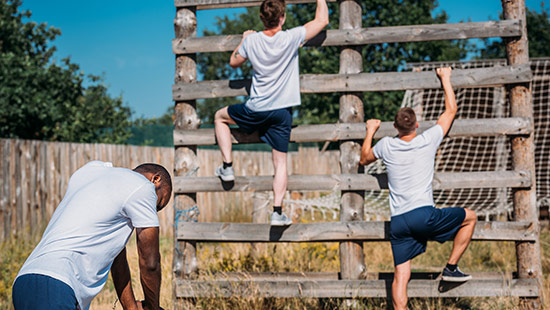
Obstacle Course Racing Ireland — Beginner's Guide and 2026 Events
Ireland's obstacle course racing scene has never been stronger, with the OCR World Championships coming to Limerick in August 2026. Everything a first-timer needs to know before signing up.
Read Article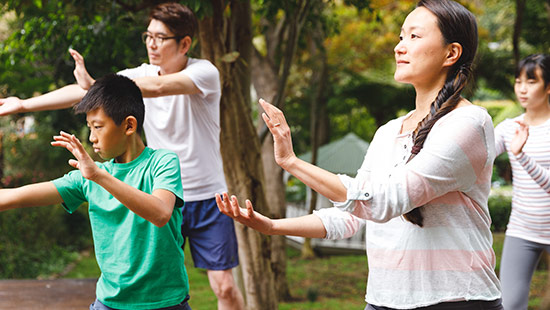
What Is Tai Chi — A Beginner's Guide to the Art and Its Benefits
Tai chi is not gentle gymnastics. It is a complete discipline — martial in origin, meditative in method, and deeply practical in its effects on body and mind.
Read Article