Tai chi is one of the most widely practised movement traditions in the world, yet it remains genuinely misunderstood outside the communities that teach it. It is not gentle gymnastics. It is not meditation with movement bolted on. It is a complete discipline — martial in origin, meditative in method, and deeply practical in its effects on the body and mind.
Where Tai Chi Comes From
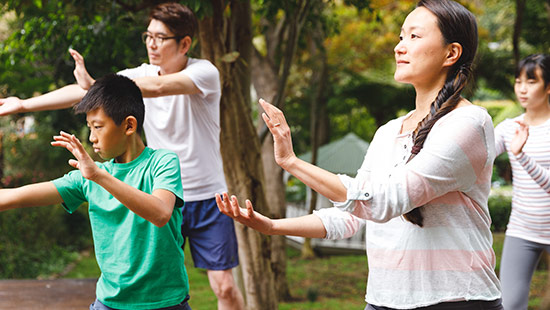
The origins of tai chi chuan — to give it its full name — are placed in seventeenth-century China, though the movement principles it draws on are considerably older. The most widely accepted lineage traces the art to Chen Wangting, a military officer from Chenjiagou village in Henan Province who synthesised classical Chinese martial theory with Taoist breathing practices and the medical concept of qi — the body's internal energy, understood to flow through channels called meridians.
The name itself is philosophical. Tai chi — 太極 — translates roughly as "supreme ultimate" and refers to the Taoist principle of complementary opposites: hard and soft, full and empty, fast and slow. Chuan means fist or boxing. The complete name describes a martial system grounded in the dynamic balance between opposing forces rather than in raw strength or speed.
For most of its history, tai chi was taught within families and passed down through closed lineages. It only became widely available outside China in the twentieth century, and its global spread accelerated after the 1950s when the Chinese government standardised several simplified forms for public health purposes. Today it is practised on every continent, in parks, community halls, hospitals and dedicated schools.
The Five Main Styles
Tai chi is not a single unified system. Several distinct styles developed from the original Chen family art, each carrying different emphases in terms of speed, posture and application. Understanding the main lineages helps when choosing where to begin.
Chen style is the oldest and closest to the original martial form. It alternates between slow and explosive movements, includes visible spiralling of the limbs, and retains clear combat applications throughout. It is physically demanding and not typically recommended as a first point of entry for older beginners or those returning from injury.
Yang style is the most widely practised in the world. It was developed by Yang Luchan in the nineteenth century from Chen family instruction and softened to make the movements more accessible. The long Yang form — 108 postures in its traditional version — is slow, expansive and even-tempered throughout. Most tai chi classes in Ireland and the UK teach some variation of Yang style.
Wu style uses a smaller frame and subtler weight shifts than Yang. It is particularly valued in therapeutic contexts because the compact movements are easier to perform in limited space and place less demand on the knees and hips.
Sun style incorporates elements of xingyiquan and baguazhang alongside tai chi and is characterised by lively footwork and an upright posture. It has been specifically studied for its benefits in fall prevention among older adults.
Hao style (also called Wu/Hao) is the least common and emphasises internal sensation over external form. It is typically taught only to students with prior tai chi experience.
What Happens in a Tai Chi Practice
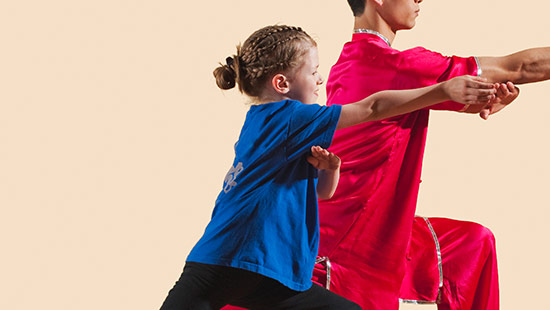
A standard tai chi class will generally open with a period of standing or gentle warm-up work, move into the practice of a form — a choreographed sequence of postures — and close with some standing or seated meditation. The form is the backbone of the practice. Students learn it progressively, adding a few movements at a time until they can move through the entire sequence continuously.
What makes tai chi unusual among movement practices is the quality of attention it demands. Each posture has a name, an internal instruction and, in most styles, a martial application. You are not simply moving through shapes. You are learning to coordinate weight, breath, intention and structure simultaneously. Early in training, this is genuinely difficult. The movements look simple from the outside and feel complicated from within.
Many schools also include push hands — a two-person exercise in which partners practise yielding, redirecting and applying the principles of the form in contact with another body. Push hands is where the martial dimension of tai chi becomes tangible, and where the physical principles — root, listen, redirect — are tested against real resistance.
The Health Evidence
Tai chi has been studied more extensively than almost any other traditional movement practice, and the research base is substantial. The areas with the strongest evidence include balance and fall prevention, cardiovascular health in older adults, management of chronic pain conditions including osteoarthritis and fibromyalgia, and reduction of anxiety and depressive symptoms.
The fall prevention research is particularly compelling. Multiple large-scale reviews of randomised controlled trials have found that regular tai chi practice significantly reduces both the rate of falls and the fear of falling in older adults — an outcome with major implications for long-term independence and quality of life. The mechanisms appear to involve improved proprioception, stronger postural muscles and better coordination of the body's balance responses.
The cardiovascular benefits are more modest than aerobic exercise but meaningful for populations who cannot tolerate high-intensity training. Regular tai chi practice is associated with modest reductions in resting blood pressure and improved aerobic capacity at low intensities. For sedentary older adults, it represents one of the most sustainable entry points into regular movement.
What Tai Chi Is Not
It is worth being direct about some common misconceptions, because they shape what people expect when they walk into a class for the first time.
Tai chi is not a substitute for strength training. It develops relative strength, coordination and structural awareness, but it does not build muscle mass or bone density in the way that resistance training does. For older adults in particular, combining tai chi with some form of resistance work produces better outcomes than either practice alone.
It is not a quick fix. The practice yields its benefits over months and years, not weeks. Students who approach it with the patience it requires tend to stay. Those who expect rapid visible results often leave before the work has had a chance to take hold.
And it is not, at its core, simply relaxation. A well-taught tai chi class is physically engaging. The standing and moving work builds real endurance in the legs, develops genuine postural control, and asks the nervous system to do things it is not accustomed to doing. The calm surface of the practice is earned, not given.
How to Get Started in Ireland
Finding a good teacher is more important than choosing the right style. Most beginners in Ireland will encounter Yang style or one of its derivatives, which is a sound starting point. Look for a teacher who can explain not just how to do the movements but why — what the postural principles are, what the movement is intended to develop, how the form connects to the broader tradition.
Community centres, sports halls and dedicated martial arts schools all offer tai chi classes across Ireland. Many teachers also offer outdoor sessions during spring and summer. If you are returning from injury or managing a chronic condition, it is worth contacting the teacher before attending to discuss any adaptations that might be useful.
Most people begin to feel the effects of regular practice — improved balance, better sleep, a quieter relationship with stress — within six to eight weeks of consistent attendance. The deeper work of the art, the part that makes experienced practitioners describe it as a lifelong pursuit, takes considerably longer to reveal itself.
Frequently Asked Questions
Tai chi is a Chinese movement practice that combines slow, continuous postures with controlled breathing and mental focus. It was developed as a martial art but is now practised primarily for health, balance and stress reduction.
Yes. Tai chi is one of the most accessible movement practices available. No prior fitness is required, it places minimal stress on the joints, and most styles can be adapted for people with limited mobility or balance difficulties.
A beginner can learn a short form — typically 8 to 24 movements — within a few months of regular practice. Full command of a longer traditional form takes years. Most practitioners find the learning process itself is the point.
Yoga originates in India and typically involves holding static postures. Tai chi originates in China and is characterised by continuous flowing movement. Both emphasise breath and mindfulness, but the physical experience is quite different.
Research suggests tai chi can reduce symptoms of anxiety and stress. The combination of slow movement, regulated breathing and present-moment focus activates the parasympathetic nervous system, which governs the body's rest and recovery state.
Related Articles
Tai Chi for Seniors in Ireland — Benefits, Classes and Getting Started
Why tai chi is particularly well-suited to older adults, what the research says about balance and fall prevention, and how to find a class in Ireland.
Read Article
Qigong vs Tai Chi — What Is the Difference and Which Is Right for You
Both are ancient Chinese practices rooted in breath, movement and internal energy. But they are distinct disciplines. Here is how to tell them apart.
Read Article